Why do teams consider Kyoto for a company retreat?
Kyoto tends to attract teams that want a quieter, more intentional setting rather than a fast-paced city. The atmosphere is shaped by temples, gardens, and traditional architecture, which naturally encourages slower thinking and deeper conversations.
How do teams usually get to Kyoto for a retreat?
Kyoto doesn’t have its own international airport, so most groups arrive via Kansai International Airport (KIX) and then take a train, which typically takes about 75–90 minutes. Another common route is flying into Osaka and using the Shinkansen for a quick transfer.
When is the most suitable season for a retreat in Kyoto?
Timing plays a big role here. Spring (March to May) and autumn (October to November) are the most popular due to mild temperatures around 10–25°C and seasonal scenery like cherry blossoms or autumn foliage. Summer is hotter and more humid, while winter is colder but quieter.
Where do teams typically stay when organizing a retreat in Kyoto?
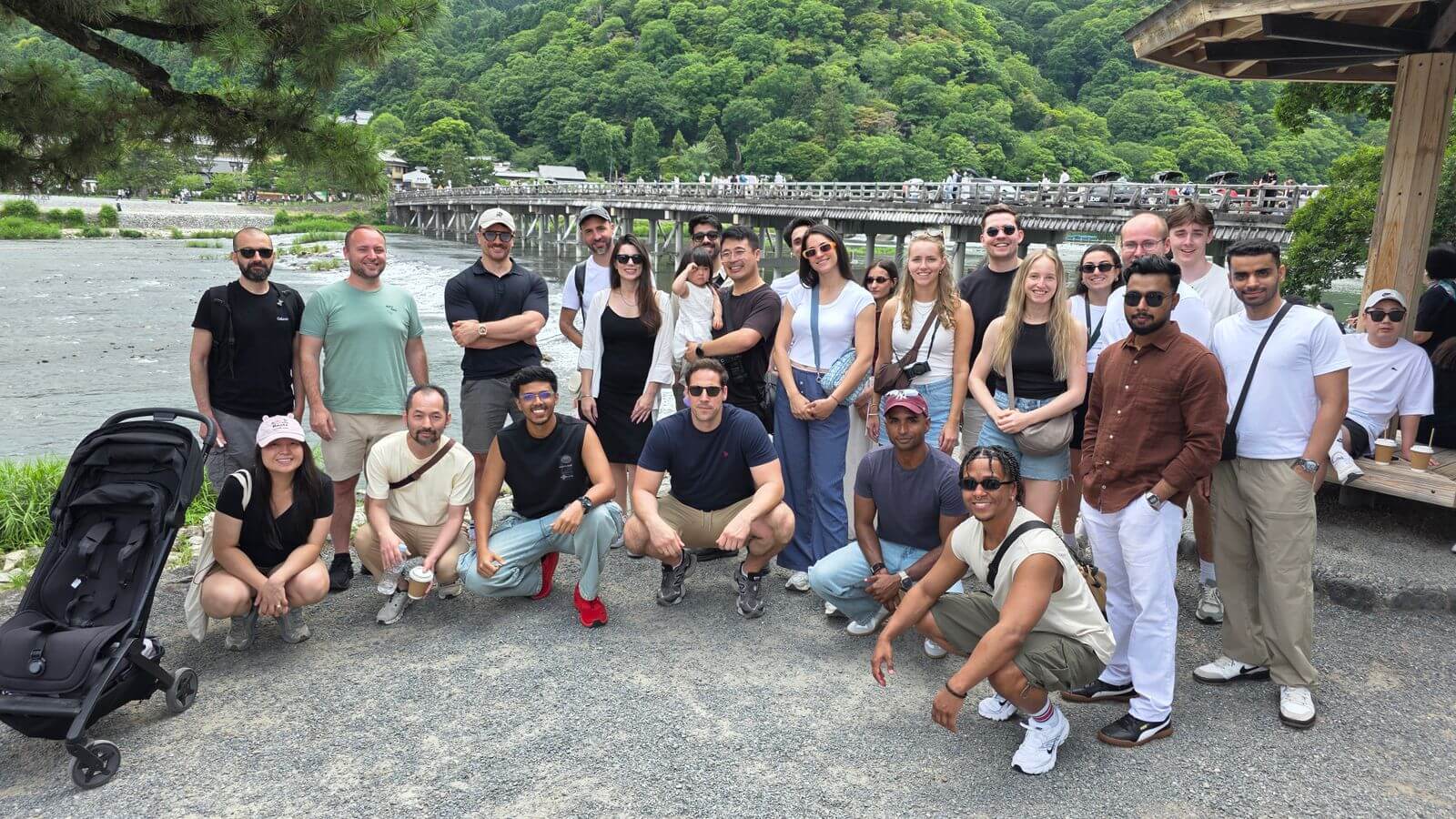
Central Kyoto works best for most groups, especially areas like Kawaramachi or Gion for access to restaurants and landmarks. Higashiyama offers a more traditional feel, while Arashiyama suits teams looking for a nature-oriented stay.
What kind of team activities fit well in a Kyoto retreat?
Instead of high-energy formats, Kyoto leans toward cultural and reflective experiences. Tea ceremonies, guided temple visits, calligraphy workshops, and walking tours are commonly included, along with day trips to nearby areas.
How many days are usually planned for a Kyoto retreat?
Kyoto works best when the schedule isn’t rushed. In practice, teams often stay around 3 to 4 days to allow time for both structured sessions and unhurried exploration.
What makes Kyoto stand out compared to other retreat destinations in Japan?
Kyoto feels more immersive and less commercial. The experience is shaped by tradition and setting rather than scale, which creates a very different tone compared to larger cities like Tokyo or Osaka.
Can Kyoto support a more focused or leadership-style retreat?
Yes, and this is where it tends to work particularly well. In our experience, teams we’ve hosted often use Kyoto for smaller, more focused offsites where environment plays a role in how people think and interact.
What food experiences should teams include while in Kyoto?
Kyoto is known for its refined cuisine. Many teams plan kaiseki-style dinners, traditional tea house experiences, and meals that highlight seasonal ingredients rather than large, casual group dining.
What should companies plan ahead for when organizing a retreat in Kyoto?
Logistics require a bit more attention here. Transport between locations, availability of larger group-friendly venues, and seasonal demand—especially during peak travel periods—are all factors to consider early in the planning process.




.webp)








.jpg)