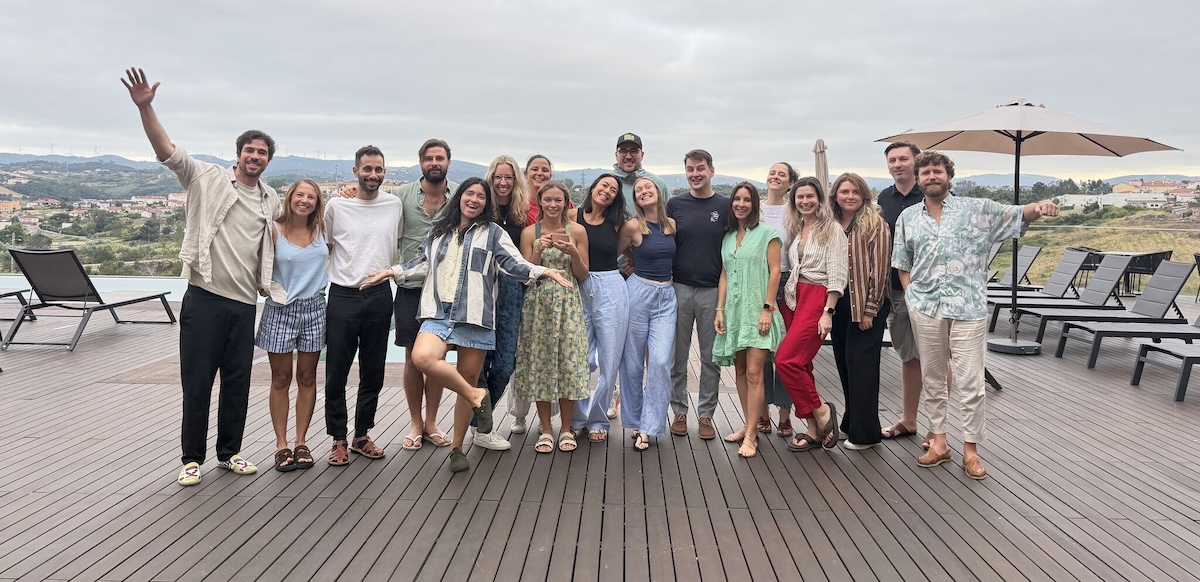
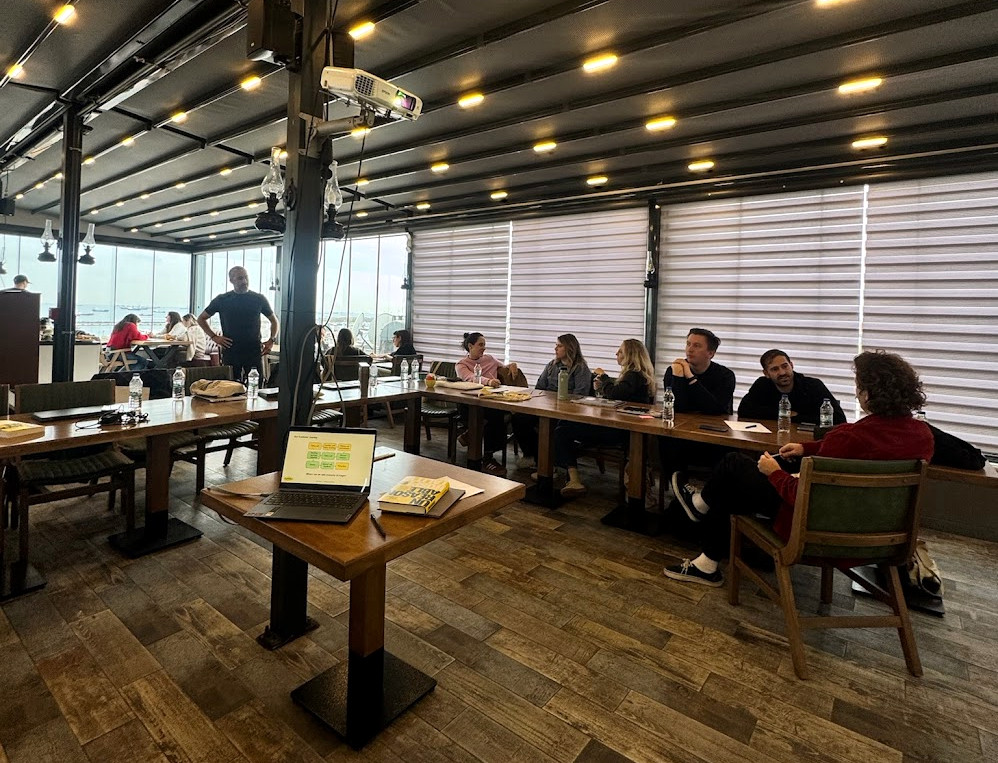
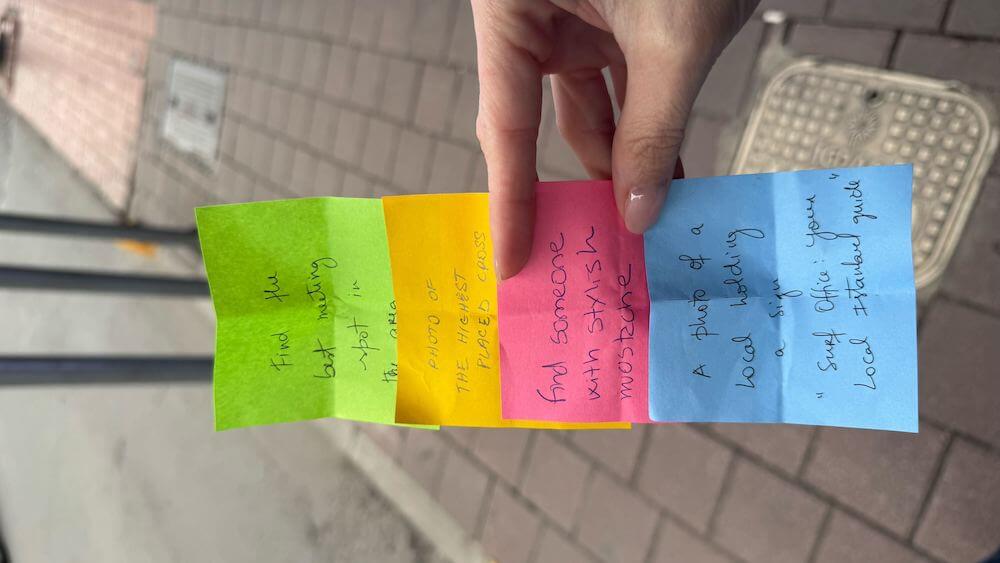
Planning a company retreat is a collaboration. On one side, you have experienced Surf Office retreat planners coordinating venues, hotels, transportation, and activities.
On the other side is you - the POC (Point of Contact) who represents your company internally and communicates with the planners.
When this collaboration works well, retreats feel effortless. When it doesn’t, small issues can quickly become unnecessary stress for everyone involved.
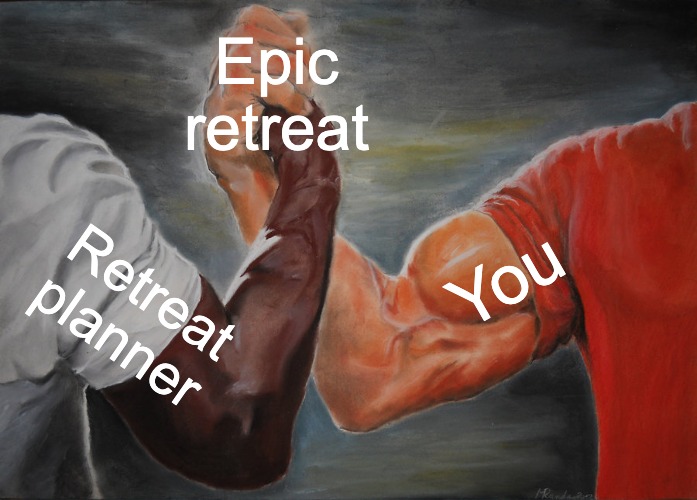
The good news? A few simple habits can make planning dramatically smoother for both sides.
Here’s how to make your life (and your planner’s life) much easier:
1. Share feedback early (even the small stuff)
One of the most helpful things a POC can do is share feedback during the planning process.
If something doesn’t feel right (even a small detail), tell your planner early.
For example:
- You don’t like a restaurant option
- A meeting space looks too small
- The agenda feels too packed
- A hotel location doesn’t match the team vibe
Planners can easily adjust things while planning is still flexible. Waiting until the retreat or the post-event feedback call makes changes much harder.
Early feedback = better results.
2. Spend 5–10 minutes checking your dashboard
We invest a lot of time building your retreat dashboard because it centralizes everything:
- Schedule
- Hotels
- Venues
- Activities
- Deadlines
- Travel details
Many POCs skip reviewing the dashboard and instead ask questions by email that are already answered there.
Spending just 5–10 minutes reviewing the dashboard can save hours of back-and-forth communication.
And if something in the dashboard is confusing, that feedback is incredibly helpful for us.
3. Trust that we’re working on your requests
When you send a request, and we confirm that we’re working on it, we truly are.
Event planners coordinate with multiple vendors simultaneously:
- Hotels
- Restaurants
- Activity providers
- Transportation companies
- AV teams
Sometimes vendors respond quickly. Sometimes they don’t.
Sending multiple follow-ups within a short timeframe can create unnecessary pressure. If something cannot be done, we’ll always let you know proactively.
Also worth mentioning: planners typically manage 5–8 retreats at the same time. That’s not because we’re overloaded. It’s because we’re very experienced at what we do.
4. Avoid contacting vendors directly
This is a surprisingly common issue.
Hotels and activity providers already have their own POC (which is us). When clients contact them directly, it creates confusion:
- The vendor replies to us, asking what’s happening
- We need to clarify internally
- Messages cross over between multiple people
The result? A messy communication loop that slows everything down.
The best approach is simple: Send requests through your retreat planner.
5. Use one main communication channel
Communication becomes difficult when updates arrive across multiple platforms:
- Slack
- Coda
When messages are spread out, planners spend time searching through different channels just to track a single request.
Instead:
- Choose one main channel for questions and updates (the choice is up to you, we will adapt)
- Use the dashboard for structured information.
This keeps everything organized and prevents important details from getting lost.
6. Combine small updates into one message
Sending several small updates throughout the day can create unnecessary noise.
For example:
- Updated headcount
- New rooming changes
- Travel adjustments
Instead of sending five separate messages, combine them into one update.
This helps planners process changes in bulk and reduces the risk of missing something important.
7. Use the dashboard format (not a random spreadsheet)
Our dashboards are connected to internal systems and vendor tools. That means the information you add there flows directly into the planning workflow.
When POCs send separate Excel files with information scattered across tabs and formats, the team needs to manually re-check everything.
This slows the process and increases the chance of errors.
Whenever possible, add information directly into the dashboard format.
8. Follow the planning deadlines
Deadlines exist for a reason.
We might ask for:
- Final attendee list
- Team-building choices
- Rooming allocations
- Dietary restrictions
These deadlines aren’t meant to pressure you. They help us secure vendors and availability.
Ignoring them can lead to:
- Limited activity options
- Higher costs
- Vendors are fully booked
When deadlines are met, the planning process stays smooth and flexible.
9. Plan ahead for special requests
Some “last-minute” requests could actually be anticipated earlier.
A common example:
Someone’s birthday is tomorrow and you suddenly need a cake.
If planners don’t know attendees' birthdays in advance, it’s difficult to prepare surprises. But if a proactive POC flags these details early, we can easily arrange them.
The same applies to:
- dietary restrictions
- accessibility needs
- celebration moments
- internal presentations
10. Understand that options can sometimes be limited
Retreat locations (especially countryside destinations) may have fewer vendor options.
For example, a small town might only have 2–3 restaurants capable of hosting large groups.
You might see more restaurants on Google Maps, but many:
- don’t accept groups
- have limited space
- don’t meet quality standards
If you don’t like the available options, alternatives usually exist. But they might require higher budgets, such as:
- bringing in a private chef
- renting an external venue
- organizing food trucks or catering
- organizing transfer and booking a restaurant in another town
Your planner will always try to find a solution, but it’s helpful to understand the constraints.
11. Trust your retreat planner
Planners organize retreats in specific destinations every week.
If we strongly recommend avoiding something, it’s usually because we’ve already seen what works and what doesn’t.
We want your team to have an incredible experience. Our advice always comes from that perspective.
Our planners have zero financial incentives to "push" you to any restaurant or team building activity. The only thing they optimize for is your experience (and feedback after the retreat).
The best retreats happen when customers and planners operate as one team.
Final thoughts
The best client–planner partnerships share three traits:
- Clear communication
- Respect for timelines
- Mutual trust
When those are in place, retreat planning becomes smooth, efficient, and even fun.
And that’s exactly how it should be ✌️